Window washing is an essential part of property maintenance that significantly impacts both the appearance and functionality of residential and commercial buildings. Clean windows enhance natural light, improve curb appeal, and contribute to a healthier indoor environment by reducing dust, dirt, and airborne contaminants that accumulate over time. While it may appear to be a simple task, professional window washing involves specialized techniques, equipment, and safety procedures that ensure streak-free, long-lasting results.
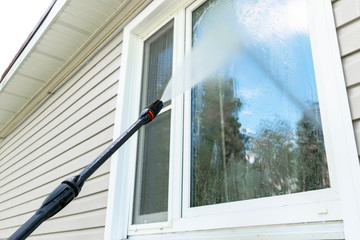
In modern property care, window washing is no longer considered a cosmetic luxury but a routine maintenance requirement. Glass surfaces are constantly exposed to environmental elements such as rain, dust, pollution, and hard water deposits, all of which gradually reduce clarity and degrade the appearance of a building. Regular cleaning helps preserve glass quality, extend window lifespan, and maintain a polished, professional look for any structure.
Understanding the Importance of Window Washing
Window washing plays a much larger role than simply improving aesthetics. Clean windows allow more natural light to enter a space, which has been shown to positively affect mood, productivity, and energy efficiency. Bright, naturally lit environments reduce the need for artificial lighting during daytime hours, helping lower electricity usage.
Another important aspect is preservation. Over time, dirt, mineral deposits, and environmental pollutants can etch into glass surfaces if not properly removed. This can lead to permanent damage that reduces visibility and requires costly replacement. Regular window washing prevents this buildup and protects the structural integrity of the glass.
Clean windows also contribute to a healthier indoor environment. Dust, pollen, and other airborne particles often accumulate on glass surfaces and window frames. When left uncleaned, these particles can circulate indoors, affecting air quality and potentially aggravating allergies or respiratory conditions.
Common Types of Window Washing Services
Window washing services vary depending on the type of property, level of dirt buildup, and accessibility of the windows. Professional cleaners use different methods and tools to achieve optimal results for each situation.
Some of the most common types of window washing services include:
- Residential window washing
This service focuses on homes and small residential properties, including interior and exterior glass cleaning, screen washing, and frame detailing. It improves home appearance and increases natural light. - Commercial window washing
Commercial buildings often require large-scale cleaning due to higher exposure to pollution and foot traffic. These services are designed to maintain a professional appearance for offices, retail spaces, and multi-story buildings. - High-rise window washing
This specialized service involves cleaning windows on tall buildings using safety harnesses, scaffolding, or rope access systems. It requires advanced training and strict safety protocols. - Interior window cleaning
Interior washing focuses on removing fingerprints, dust, smudges, and streaks from indoor glass surfaces, partitions, and mirrors. - Exterior window cleaning
Exterior cleaning removes environmental buildup such as rain stains, dirt, and pollution residue, restoring full clarity to glass surfaces.
Each type of service requires specific techniques and equipment to ensure safety and effectiveness.
Professional Window Washing Process
Professional window washing follows a structured process designed to deliver streak-free and long-lasting results. The process begins with an assessment of the property to determine the level of cleaning required, window accessibility, and any potential safety concerns.
Technicians typically start by removing loose dirt and debris from window frames and surrounding areas. This prevents particles from spreading during the cleaning process. A specialized cleaning solution is then applied to dissolve grime, grease, and mineral deposits on the glass surface.
A typical window washing process includes:
- Initial inspection and surface preparation
- Removal of dust, cobwebs, and debris
- Application of cleaning solution to glass surfaces
- Scrubbing and loosening of dirt buildup
- Squeegee drying for a streak-free finish
- Detailing of edges, frames, and corners
This step-by-step approach ensures that every part of the window is thoroughly cleaned without leaving streaks or residue.
Benefits of Professional Window Washing
Hiring professional window washing services offers numerous advantages compared to DIY cleaning methods. One of the most significant benefits is the quality of results. Professionals use specialized tools such as squeegees, purified water systems, and eco-friendly cleaning solutions that produce a clearer, more polished finish.
Safety is another major advantage. Cleaning windows, especially on upper floors or hard-to-reach areas, can be dangerous without proper equipment and training. Professional cleaners are trained to handle these risks using safety harnesses, ladders, and rope access systems.
Additional benefits include:
- Improved natural lighting indoors
- Enhanced building appearance and curb appeal
- Prevention of glass damage and etching
- Time and effort savings for property owners
- Access to professional-grade cleaning equipment
These benefits make professional window washing a practical and valuable investment for both residential and commercial properties.
Common Challenges in Window Washing
Despite its importance, window washing presents several challenges that require skill and experience to overcome. One of the most common issues is dealing with hard water stains, which can leave mineral deposits on glass surfaces that are difficult to remove without specialized cleaning agents.
Weather conditions can also impact the cleaning process. Direct sunlight may cause cleaning solutions to dry too quickly, leading to streaks, while rain or wind can interfere with freshly cleaned surfaces.
Other common challenges include:
- Accessing high or awkwardly positioned windows
- Removing stubborn stains and buildup
- Preventing streaks and water marks
- Ensuring safety during elevated cleaning tasks
- Managing large-scale commercial properties efficiently
Professional window cleaners are trained to handle these challenges using proper techniques and equipment to ensure consistent results.
Tools and Techniques Used in Window Washing
Modern window washing relies on a combination of traditional tools and advanced technology. The most commonly used tool is the squeegee, which is essential for removing water and cleaning solution without leaving streaks. Microfiber cloths are also used for detailing edges and removing residual moisture.
Purified water systems have become increasingly popular in professional cleaning. These systems remove impurities from water, preventing mineral deposits and streaks on glass surfaces. This method is especially effective for exterior windows and high-rise buildings.
Other commonly used tools include extension poles, scrapers for tough stains, and eco-friendly cleaning solutions designed to break down dirt without damaging glass or surrounding materials.
The Role of Regular Maintenance in Window Washing
Regular maintenance is essential for keeping windows in optimal condition. Without consistent cleaning, dirt and contaminants can accumulate and become more difficult to remove over time. Scheduled window washing helps maintain clarity, extend glass lifespan, and reduce the need for intensive deep cleaning.
Maintenance frequency depends on environmental conditions and property type. Buildings located in high-traffic or industrial areas may require more frequent cleaning compared to residential properties in quieter environments.
Routine cleaning also helps identify potential issues such as damaged seals, cracks, or frame deterioration early, allowing for timely repairs before problems worsen.
The Growing Demand for Window Washing Services
As property owners place greater emphasis on cleanliness, appearance, and maintenance, the demand for professional window washing services continues to grow. Clean windows are increasingly seen as a reflection of overall property care and professionalism, especially in commercial environments.
Environmental awareness has also influenced the industry, with many service providers adopting eco-friendly cleaning solutions and water-efficient systems. These practices help reduce environmental impact while maintaining high cleaning standards.
Technological advancements and improved safety equipment have further expanded the capabilities of window washing services, making it possible to clean taller buildings and more complex structures efficiently and safely.
The Value of Clean Windows in Modern Property Care
Window washing is a vital aspect of property maintenance that enhances appearance, improves indoor lighting, and protects glass surfaces from long-term damage. Whether for residential homes or large commercial buildings, clean windows contribute significantly to comfort, aesthetics, and overall property value.
With professional techniques, specialized tools, and regular maintenance, window washing ensures that glass surfaces remain clear, durable, and visually appealing. As a result, it continues to be an essential service in modern building care, supporting both functionality and presentation in everyday environments.